
Sublimation vs Digital Printing: A Complete Guide to Choosing the Right Method
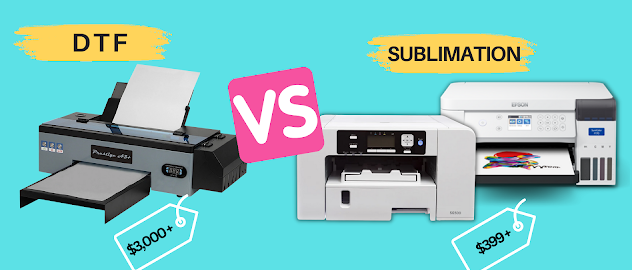
Choosing between sublimation and digital printing is one of the most common decisions for anyone creating custom apparel, promotional products, or printed goods. Both methods produce vibrant, high-quality results, but they work in fundamentally different ways and excel in different situations. This guide breaks down exactly how each method works, how they compare on cost, durability, and quality, and which one is right for your project.
Quick Answer: Sublimation vs Digital Printing
If you need a fast takeaway: sublimation printing is best for all-over, full-color designs on polyester and polymer-coated items, producing prints that never crack or fade because the ink becomes part of the material. Digital printing (including direct-to-garment, or DTG) is more versatile across fabric types—including cotton—and is ideal for detailed, photographic designs on darker garments and small-to-medium runs.
What Is Sublimation Printing?
Dye sublimation is a process that uses heat to turn solid dye directly into gas, which then bonds with the fibers of a material. The design is first printed onto special transfer paper using sublimation inks. That paper is then placed against the substrate and pressed with a heat press at roughly 375–400°F (190–205°C). Under heat and pressure, the ink converts to gas, penetrates the surface, and solidifies inside the material as it cools.
Because the dye becomes a permanent part of the fabric rather than sitting on top of it, sublimated prints are exceptionally durable. There is no raised layer, no cracking, and virtually no fading over the product’s lifetime.
Best Materials for Sublimation
- Polyester fabrics (the higher the polyester content, the better the result)
- Polymer-coated hard goods such as mugs, phone cases, mouse pads, and metal photo panels
- Light-colored or white substrates, since sublimation inks are translucent and rely on a light base
What Is Digital Printing?
Digital printing is a broad category that refers to printing a design directly from a digital file onto a surface, without plates or screens. In the apparel world, the most common form is direct-to-garment (DTG) printing, where specialized inkjet printers spray water-based inks directly onto the fabric. Other digital methods include digital heat transfers and large-format digital printing for signage and banners.
DTG works much like a household inkjet printer, but built for textiles. A pre-treatment is applied (especially for dark garments), the garment is loaded onto a platen, and the printer lays down ink that soaks into the fabric. A heat cure then sets the ink permanently.
Best Materials for Digital Printing
- 100% cotton and cotton-rich blends, which absorb water-based inks beautifully
- Light and dark garments alike, thanks to white-ink underbases
- Detailed, photographic, and full-color artwork with gradients and fine detail
Sublimation vs Digital Printing: Side-by-Side Comparison
| Factor | Sublimation Printing | Digital Printing (DTG) |
|---|---|---|
| Best fabric | Polyester & polymer-coated items | Cotton & cotton blends |
| Garment color | Light/white only | Light and dark |
| Durability | Excellent—won’t crack or fade | Very good—may fade slightly over years of washing |
| Feel of print | No texture; ink is in the fabric | Slight texture; ink sits in surface fibers |
| All-over printing | Yes, edge to edge | Limited to print area |
| Color & detail | Vivid, seamless gradients | Excellent photographic detail |
| Setup cost | Lower entry cost | Higher equipment cost |
| Ideal run size | Small to large | Small to medium |
Durability: Which Print Lasts Longer?
Sublimation generally wins on longevity. Because the dye is embedded within the fibers of the material, a sublimated print will not peel, crack, or noticeably fade for the life of the garment. Digital prints are durable too, but since the ink sits in the surface layer of the fabric, prints can soften or fade gradually after many wash cycles—though quality DTG with proper curing holds up well for years.
Cost Comparison
For getting started, sublimation typically has a lower barrier to entry: a sublimation printer, heat press, and transfer paper can be relatively affordable. DTG printers represent a larger upfront investment and require ongoing maintenance and pre-treatment supplies. However, per-unit costs depend heavily on design size, garment type, and order volume. For full-coverage polyester products, sublimation is usually more economical; for one-off cotton designs, DTG often makes more sense.
Pros and Cons
Sublimation Printing
Pros: Permanent, crack-free prints; vibrant all-over coverage; no print texture; great for hard goods and polyester apparel.
Cons: Limited to polyester and coated surfaces; doesn’t work on cotton or dark garments; requires light-colored substrates.
Digital Printing
Pros: Works on cotton and dark fabrics; excellent for detailed, photographic designs; no minimum order; quick turnaround for small runs.
Cons: Higher equipment cost; slower for large volumes; print may fade over time; limited to the print area rather than full coverage.
When to Choose Sublimation
- You’re printing on polyester sportswear, jerseys, or activewear
- You want edge-to-edge, all-over designs
- You’re decorating mugs, phone cases, or other coated hard goods
- You need maximum durability with zero texture
When to Choose Digital Printing
- You’re printing on cotton t-shirts or hoodies
- You need to print on dark or black garments
- Your design is highly detailed or photographic
- You’re producing small batches or one-off custom items
Frequently Asked Questions
Can you sublimate on cotton?
Not effectively. Sublimation requires polyester or a polymer coating for the dye to bond. On 100% cotton, the print will wash out quickly. Cotton garments are better suited to digital (DTG) printing.
Is sublimation better than digital printing?
Neither is universally “better”—it depends on your material and design. Sublimation is superior for all-over prints on polyester and coated goods, while digital printing is the better choice for cotton and dark garments.
Which method is more durable?
Sublimation is typically more durable because the ink becomes part of the material, so it won’t crack or peel. Digital prints are durable but can fade gradually with heavy washing.
Does digital printing work on dark shirts?
Yes. DTG printers use a white-ink underbase that allows full-color designs to appear vibrant on dark and black garments—something sublimation cannot do.
Final Verdict
The choice between sublimation and digital printing comes down to your material and your design goals. Choose sublimation for vibrant, permanent, all-over prints on polyester and coated products. Choose digital printing for detailed designs on cotton and dark garments, especially in smaller quantities. Many print shops offer both methods precisely because each one shines in situations the other can’t handle—so understanding the strengths of each ensures you get the best possible result for every project.